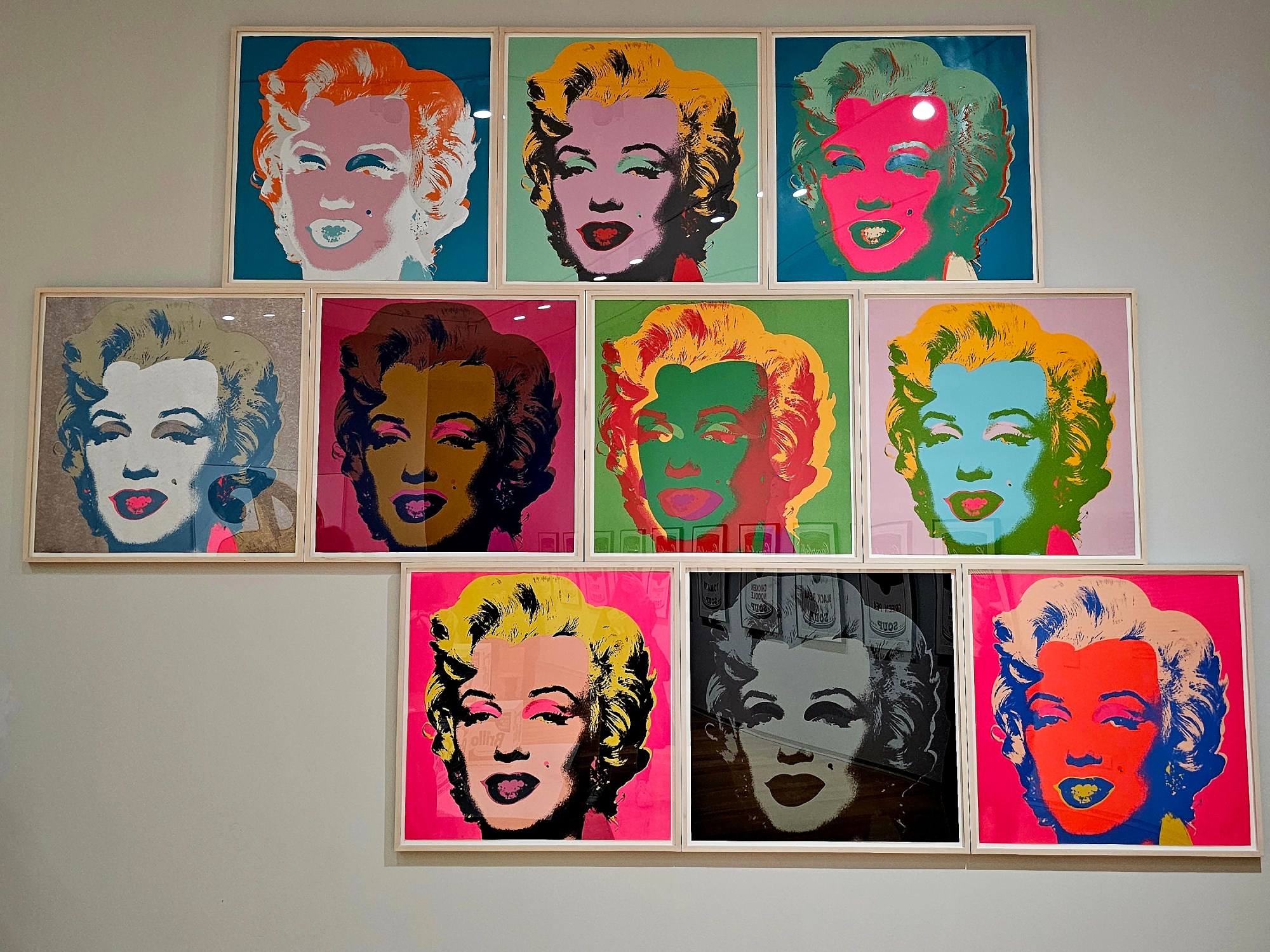
On December 30, 2023, I had the pleasure of stepping into the vibrant, electrifying world of Andy Warhol at the Hugh Lane Gallery in Dublin. The exhibition, Andy Warhol’s Three Times Out, was a mesmerizing deep dive into one of the most influential artists of the 20th century. Featuring over 250 works from museums and private collections worldwide, it was a testament to Warhol’s unparalleled ability to blur the lines between fine art and popular culture.


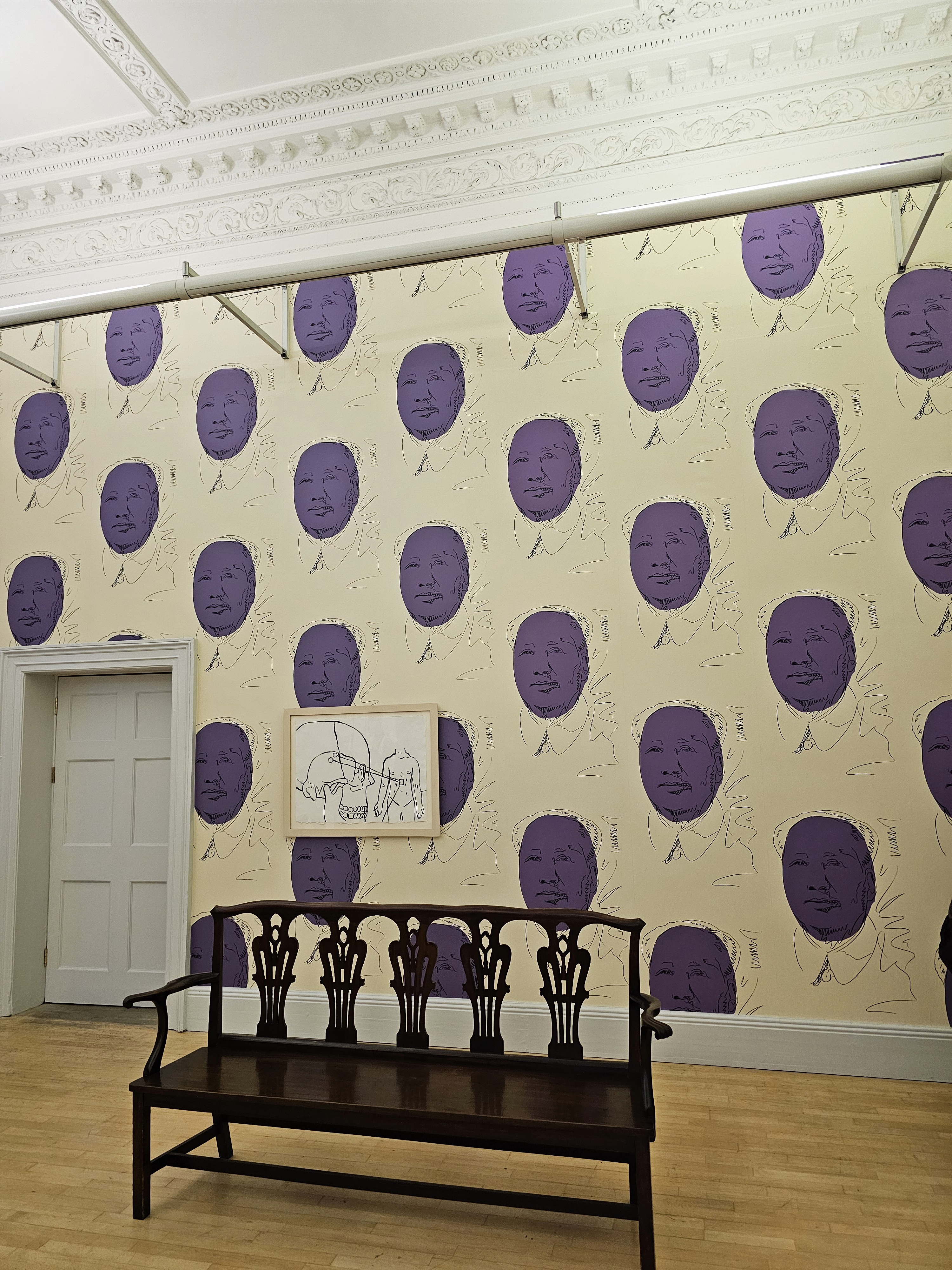
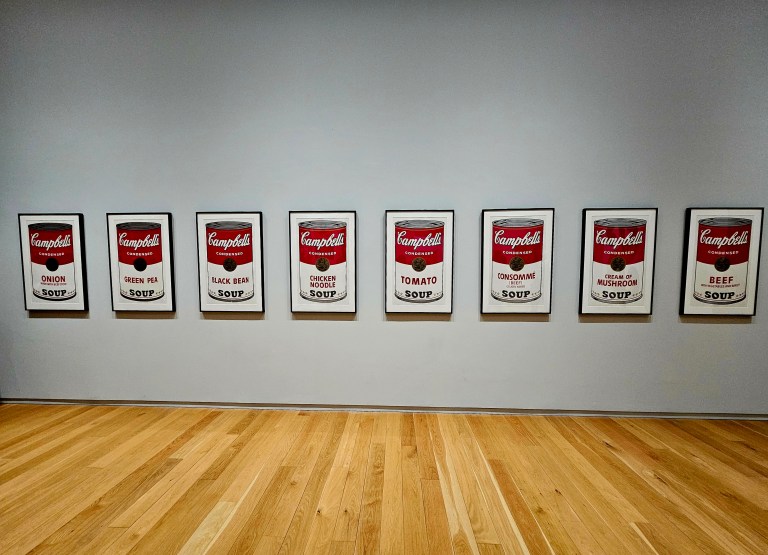
Walking through the exhibition felt like being inside Warhol’s mind—an explosion of color, repetition, and bold iconography. From the Campbell’s Soup Cans to the hauntingly beautiful portraits of Marilyn Monroe, each piece reaffirmed Warhol’s ability to transform the ordinary into the extraordinary. But beyond the celebrity portraits and consumer products, what struck me most was his masterful use of color and how it revolutionized modern art and design.
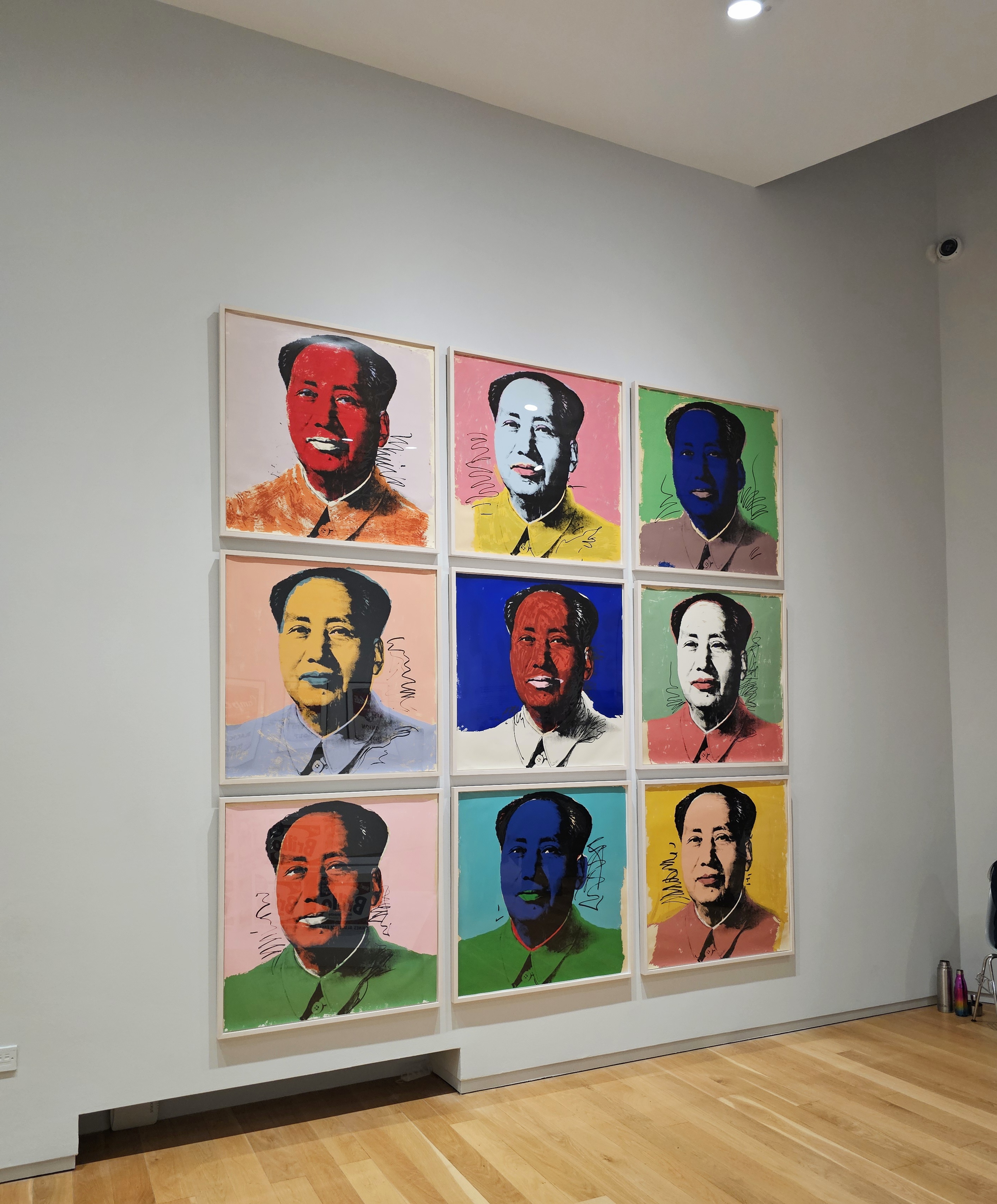

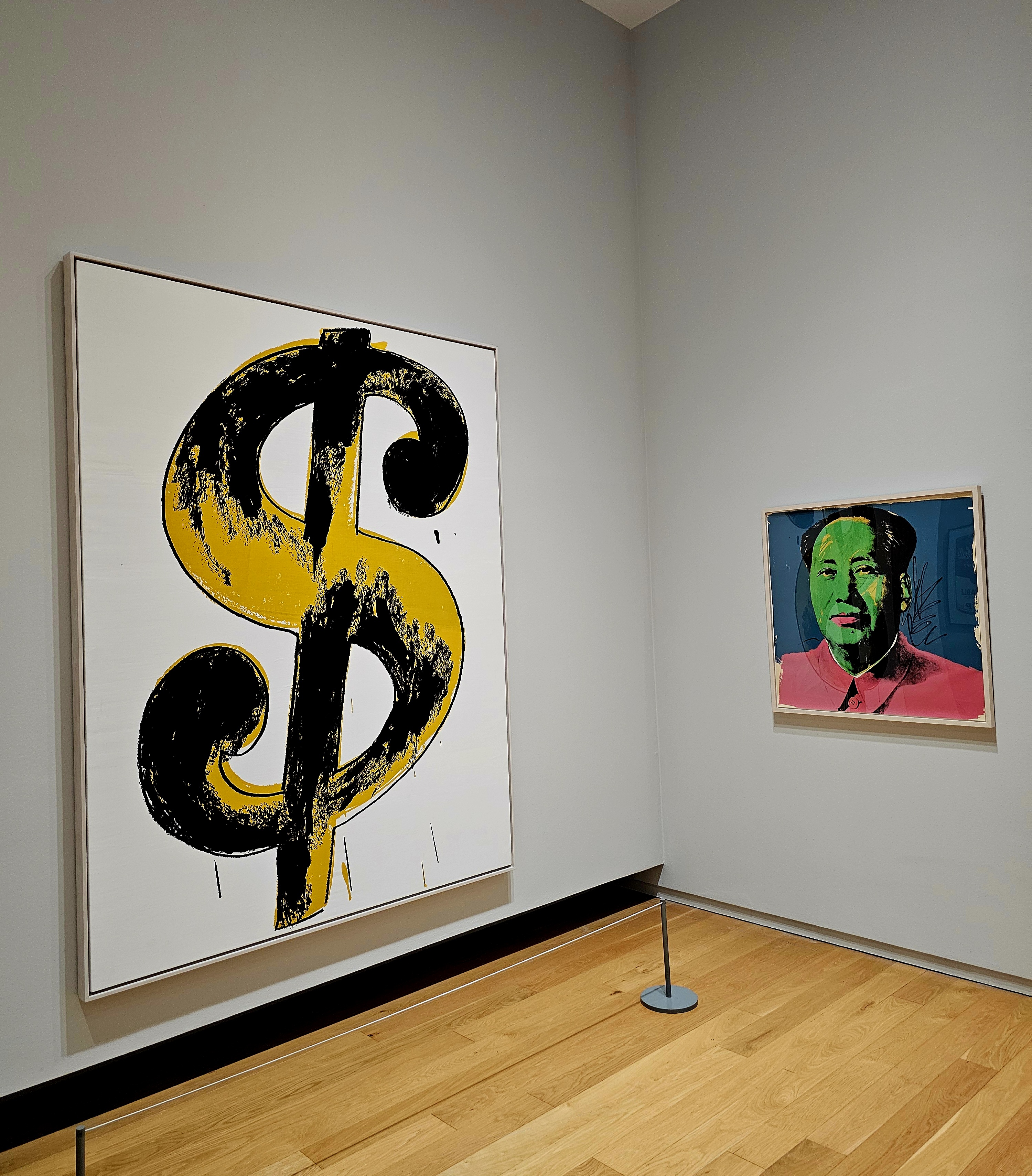
Warhol understood that color is emotion. He took familiar images—celebrities, advertisements, everyday objects—and amplified them with intense, often unnatural hues. His silkscreen prints, with their neon pinks, electric blues, and striking yellows, challenged traditional art’s muted tones. This approach wasn’t just about aesthetics; it was about accessibility and impact.
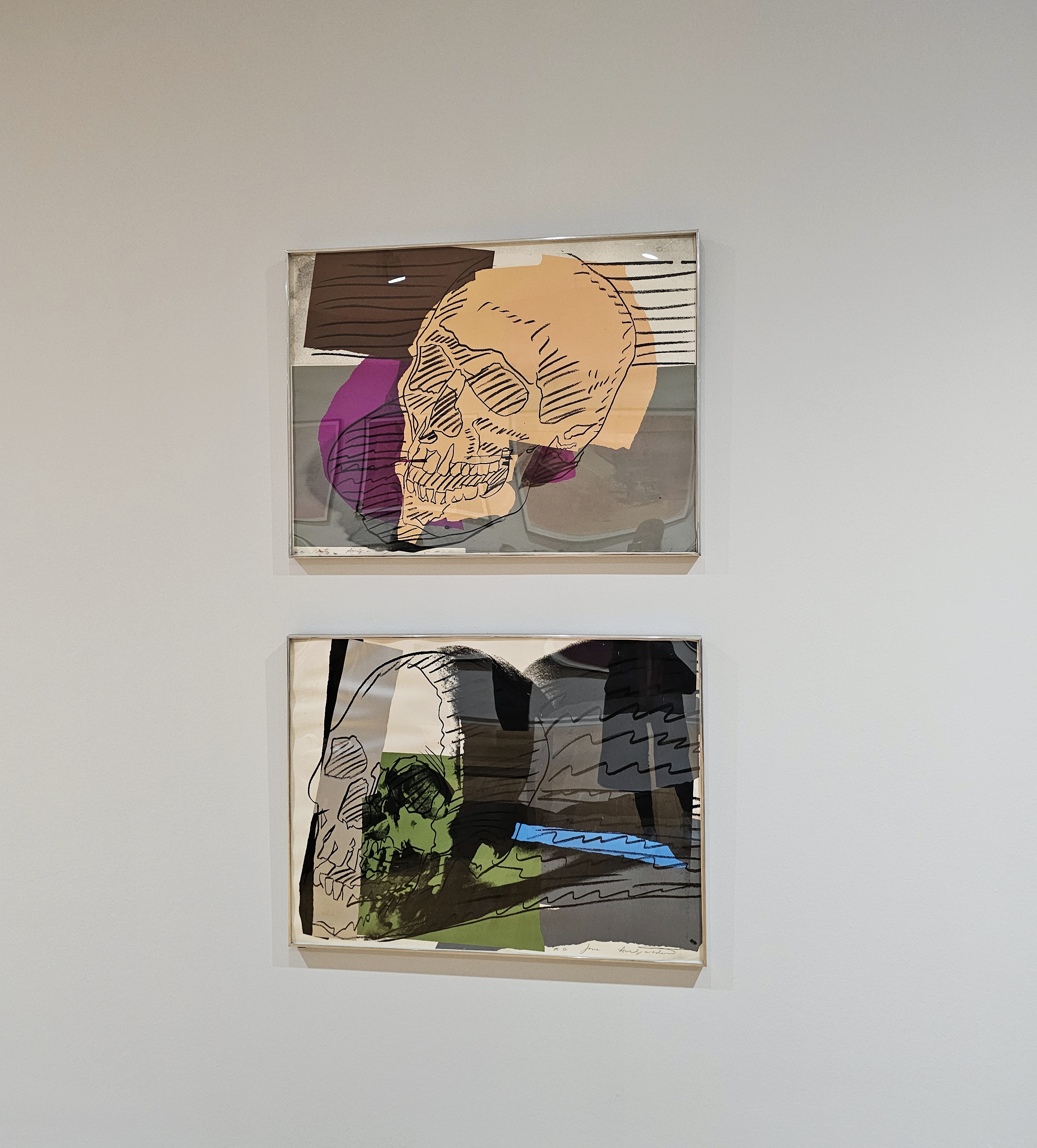
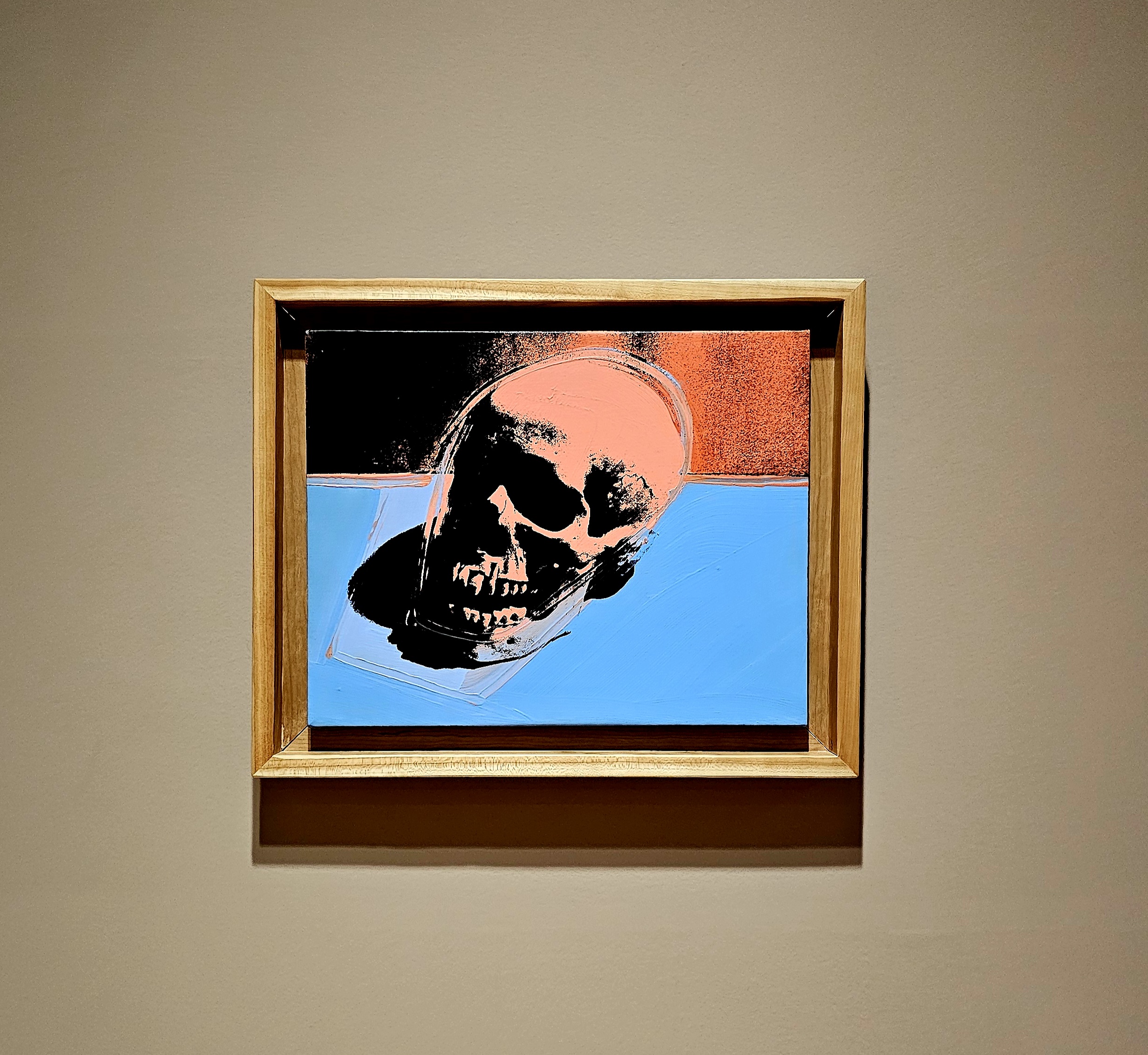
His bold, synthetic color palettes broke conventions, paving the way for modern graphic design, fashion, and even digital media aesthetics. Today, we see Warhol’s influence everywhere—from the branding of major companies to the vibrant filters we use on social media.

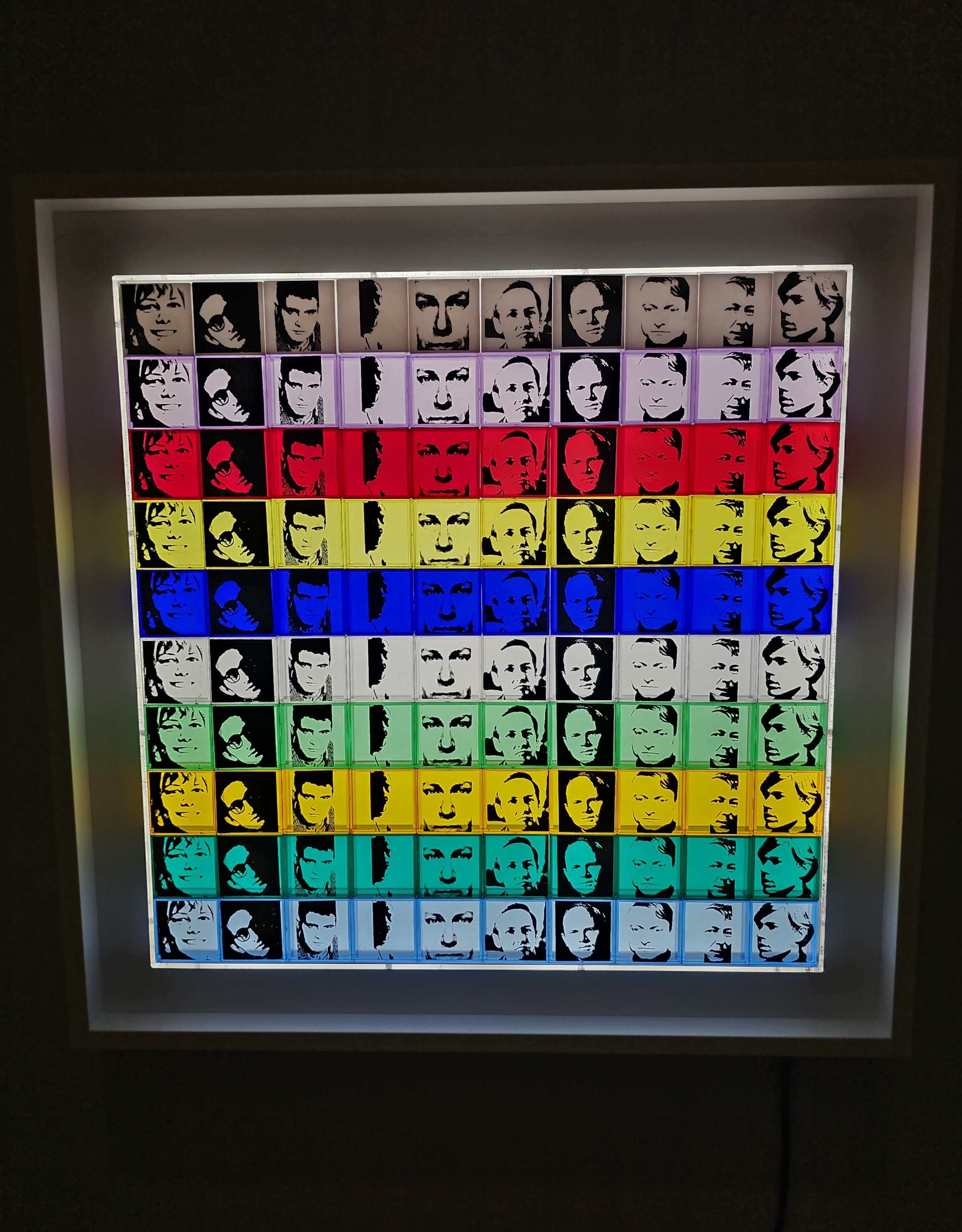
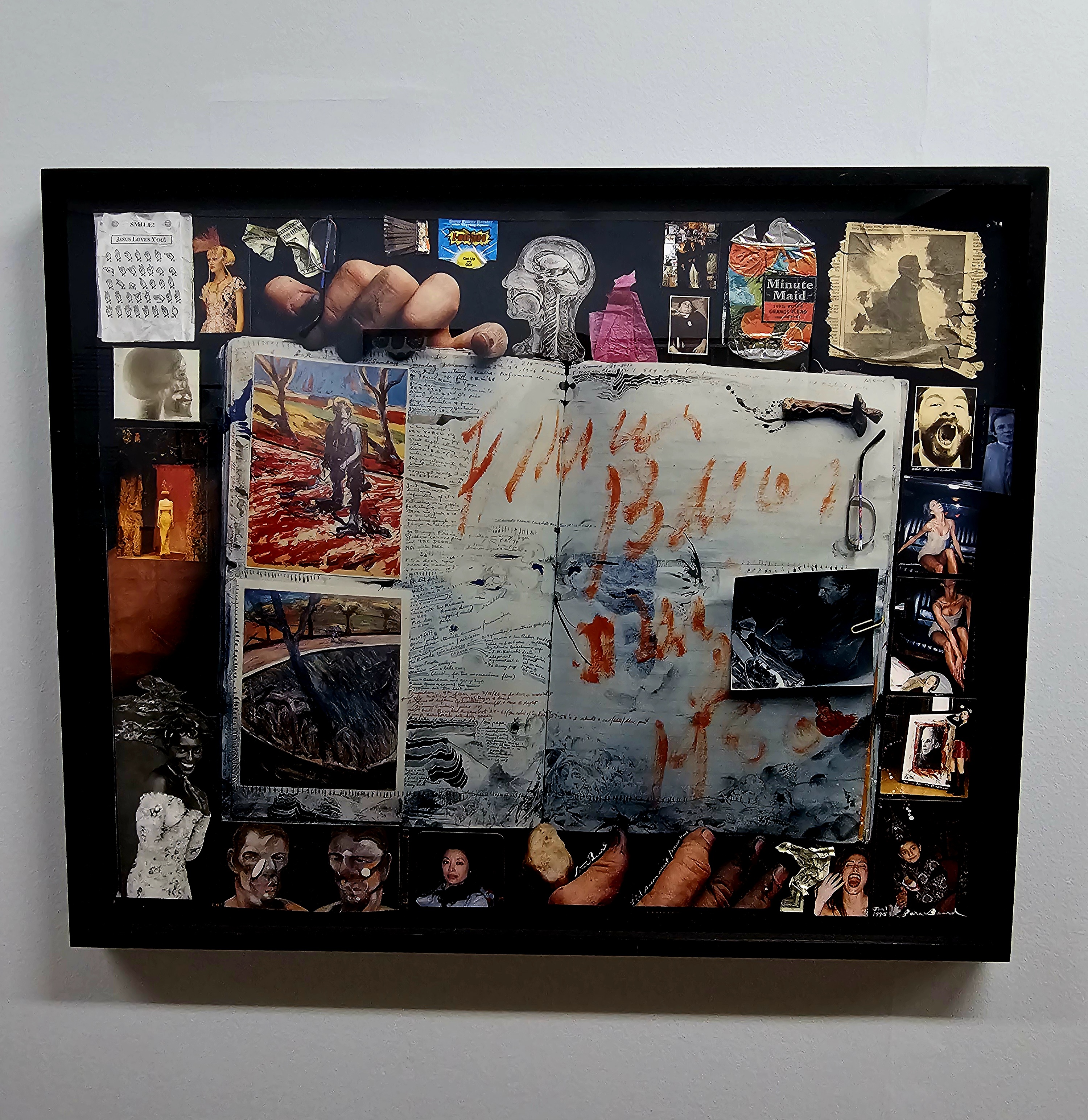
One of the most striking aspects of the exhibition was how relevant Warhol’s work feels today. In an era dominated by social media, surveillance capitalism, and influencer culture, his famous quote—
“In the future, everyone will be world-famous for 15 minutes”—has never felt more prophetic.

His art anticipated today’s obsession with celebrity, repetition, and mass production of images. Instagram feeds filled with highly stylized selfies? That’s Warhol’s factory in digital form. The way brands use pop art aesthetics to market products? A direct continuation of his vision.
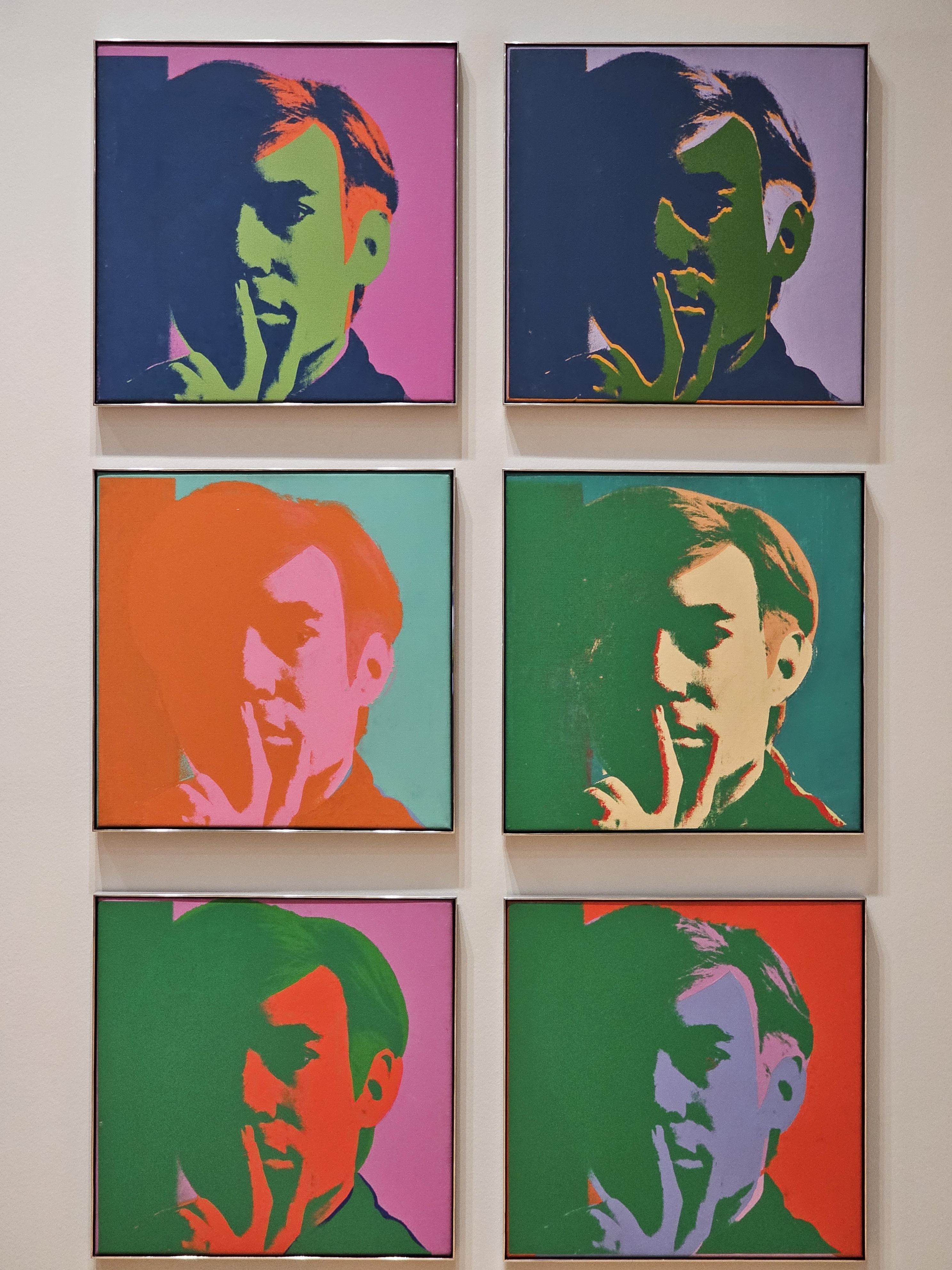


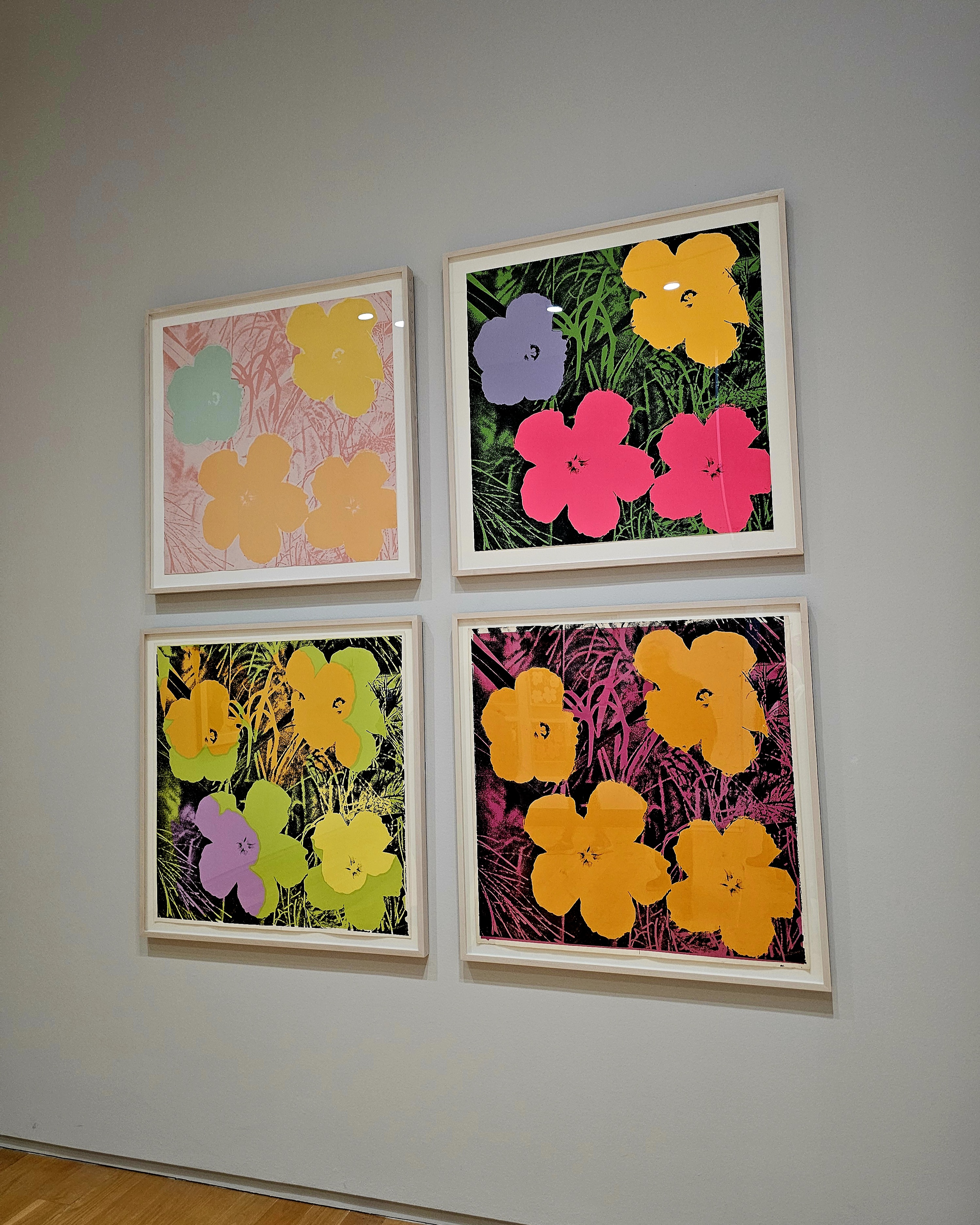
One of the most intriguing sections of the exhibition focused on Warhol’s collaborations with Francis Bacon and photographer Peter Beard. Seeing these artists’ work side by side sparked new reflections on portraiture, fame, and the human form. Bacon’s raw, distorted figures contrasted beautifully with Warhol’s smooth, commercialized aesthetics, yet both were deeply concerned with the fragility of identity in the modern world.
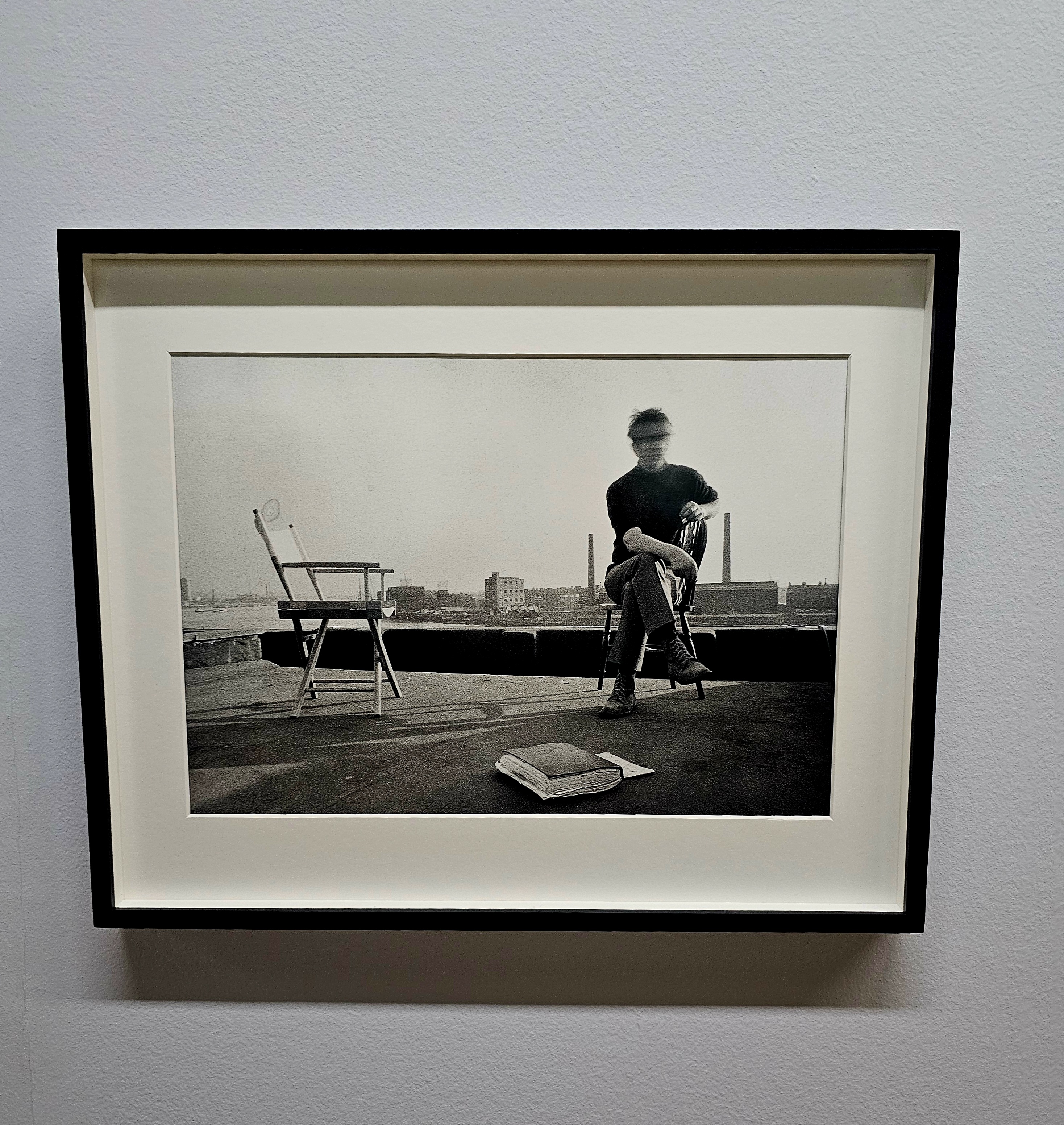


As I left the exhibition, I couldn’t help but think about how Warhol changed the way we see and use color. His influence stretches far beyond art—into advertising, web design, fashion, and even interior design.
Bold, contrasting color schemes in branding? Warhol.
Neon aesthetics in fashion and pop culture? Warhol.
The entire ethos of contemporary graphic design—flat, simplified, and instantly recognizable? Warhol.

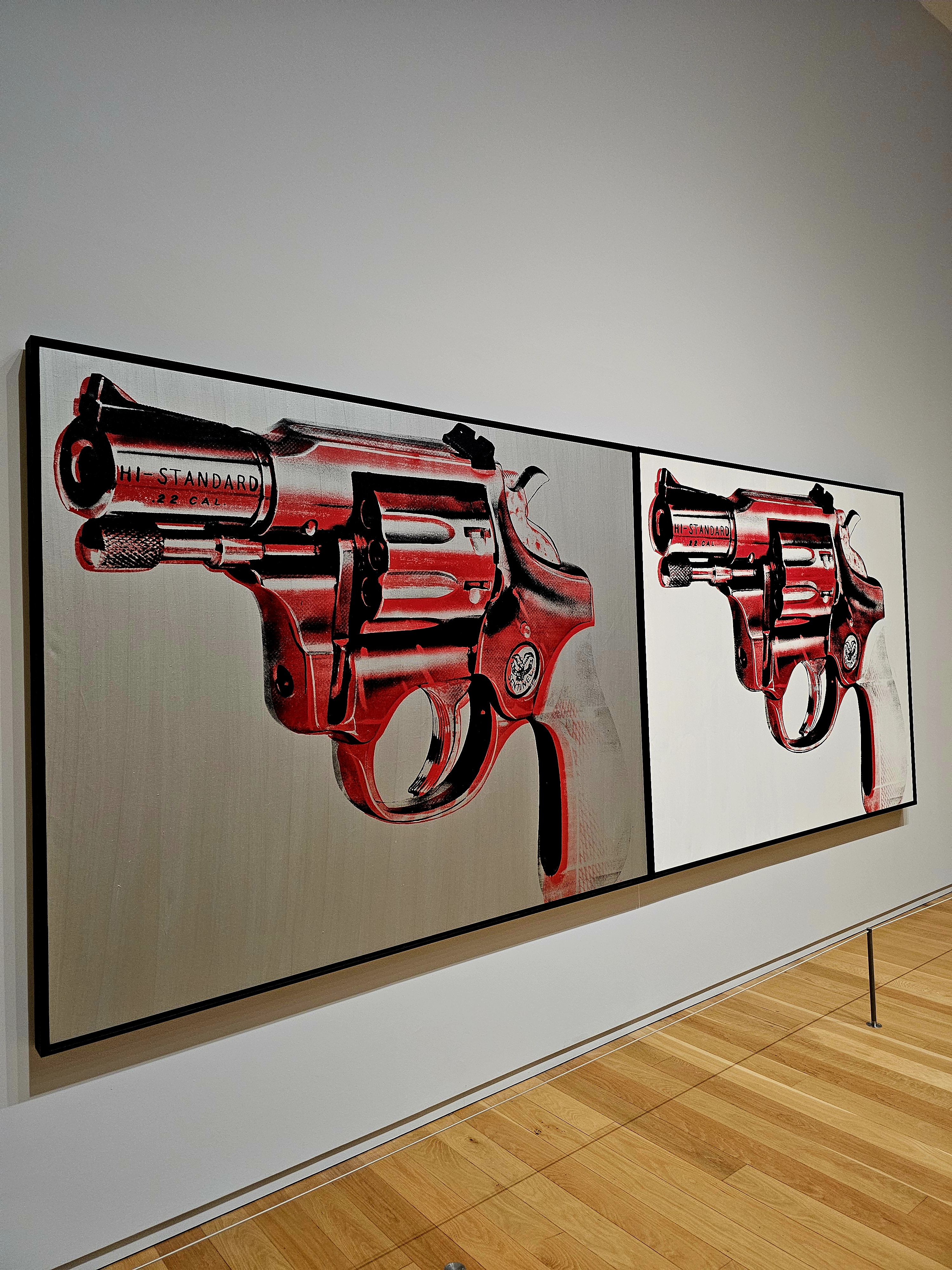


His genius was in recognizing that art isn’t just for galleries—it’s for everyone. He took inspiration from everyday life and transformed it into something unforgettable.
As someone who loves color and how it shapes design, this exhibition was more than just a retrospective—it was a reminder of how art can redefine the world around us. Warhol didn’t just change art; he changed how we see, interact with, and create in the modern age.
If you ever get the chance to experience his work in person, do it. You’ll leave inspired, seeing the world in brighter, bolder colors—just as Warhol intended.
Make a one-time donation
Make a monthly donation
Make a yearly donation
Choose an amount
Or enter a custom amount
Your contribution is appreciated.
Your contribution is appreciated.
Your contribution is appreciated.
DonateDonate monthlyDonate yearly UJ's Blog